

TikTok Shop Packaging Guidelines
Packaging Responsibilities
- To reduce the risk of damage or leakage during transport, the seller must pack and label products safely and appropriately, in accordance with applicable laws and regulations.
- Packaging materials must meet the relevant quantity and quality standards, so that the product is not damaged in transit due to insufficient or poor-quality packaging materials.
- TikTok is not responsible for any loss or damage caused by products that are improperly packed, labeled, or prepared.
Packaging Materials
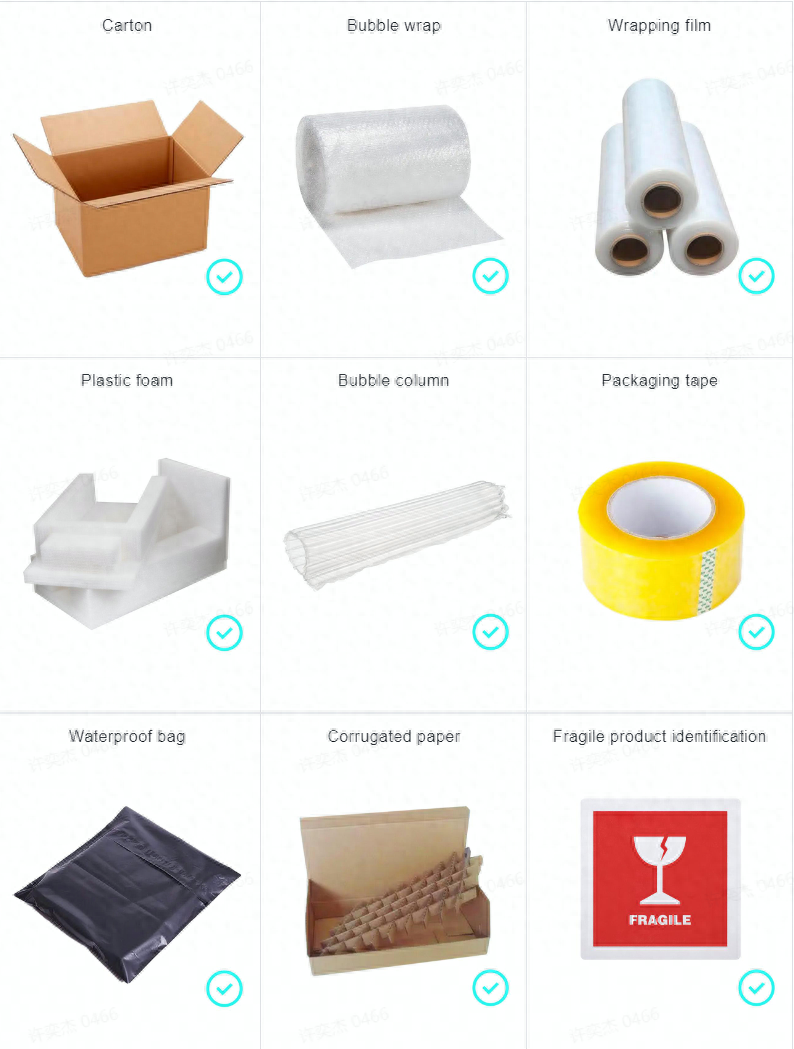 |
No. | Material |
1 | Carton |
2 | Bubble wrap |
3 | Wrapping film |
4 | Plastic foam |
5 | Air column bag |
6 | Packaging tape |
7 | Waterproof bag |
8 | Corrugated board |
9 | Fragile product label |

Recommended Packaging Materials by Category
Non-Breakable Items
What Qualifies as Non-Breakable
Items that will not deform, break, or be damaged during transport, such as:
- Clothing (T-shirts, shirts, socks)
- Home textiles (fleece blankets, bedding)
Packaging Requirements
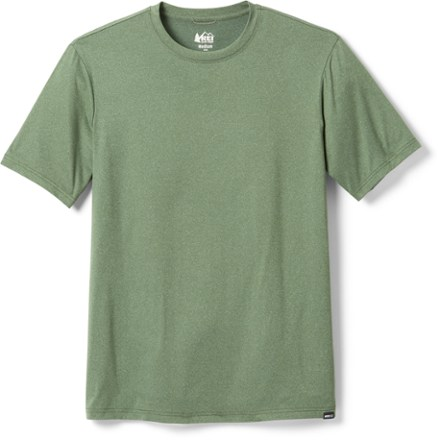 | 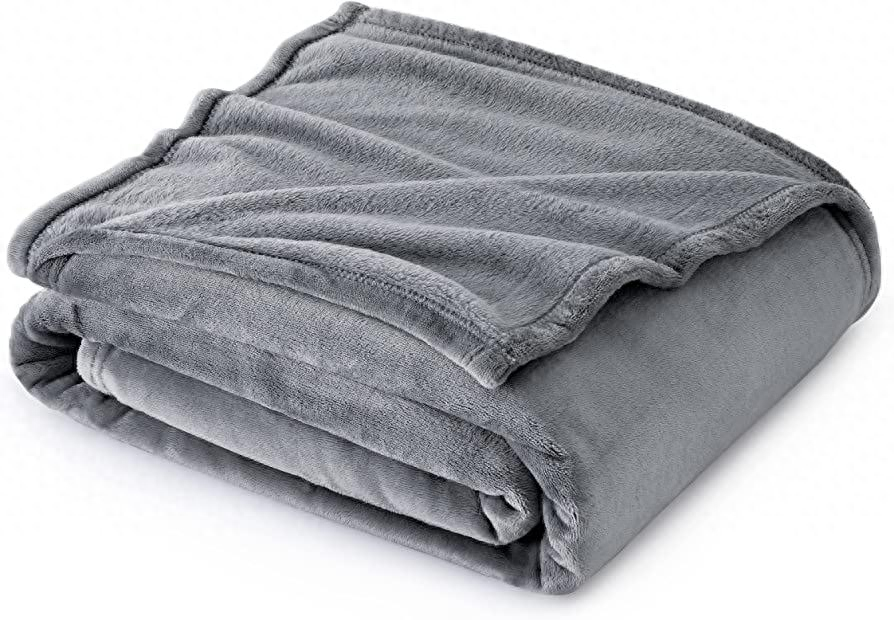 | 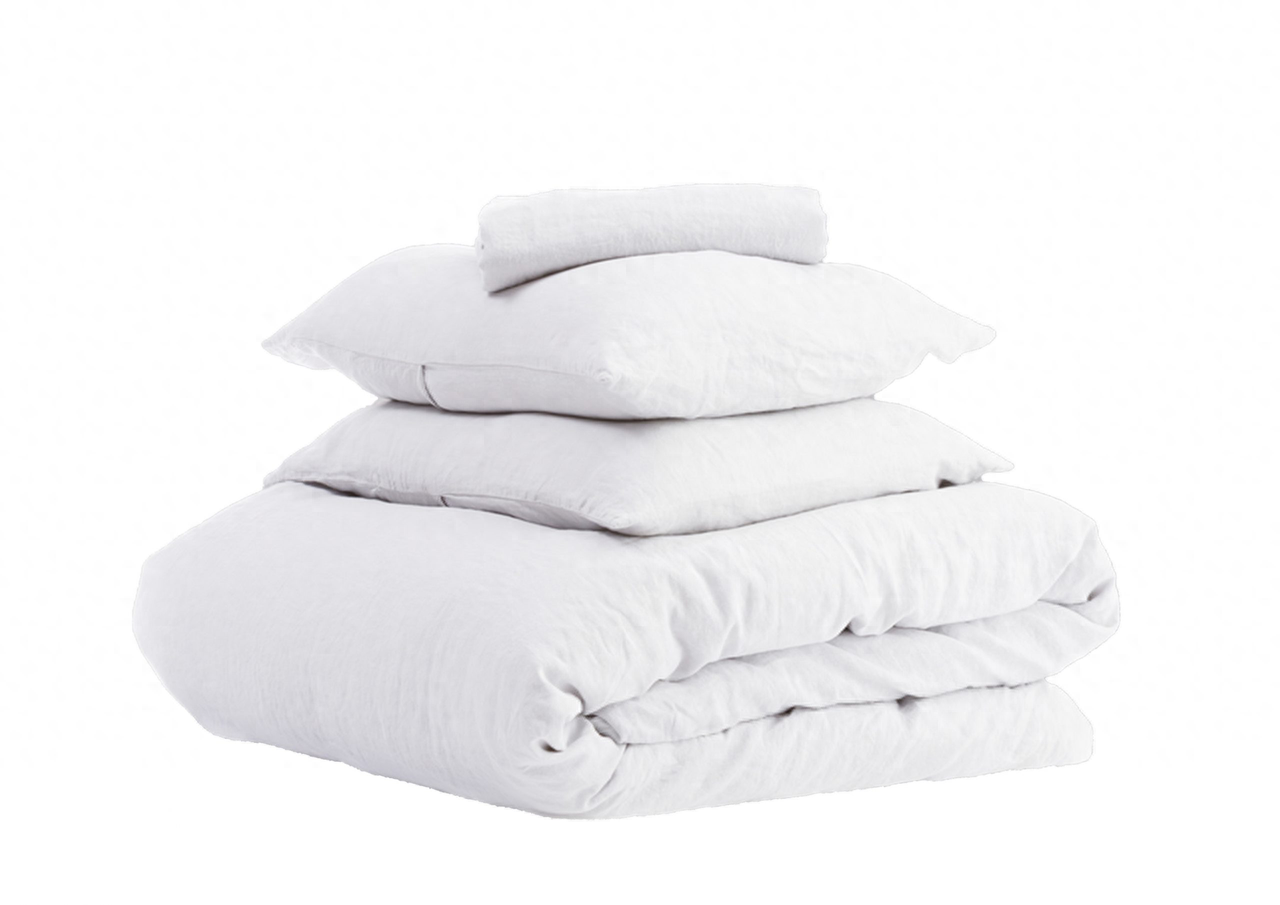 |
Non-breakable items | Packaging requirements | Inner packaging protection requirement | Filling requirement | Package sealing requirement | Warning labels and markings |
Specific requirements | Outer packaging: Waterproof bag/box of appropriate size. Filling material: No requirement. Inner packaging protection: | No requirement. | No requirement. | Seal the box with tape in a cross pattern and smooth all taped surfaces. Tape ends must extend 80 mm beyond the edge of the box and be applied flat, with a gap of no more than 5 mm between the flaps. | No requirement. |
Specific steps | STEP 1 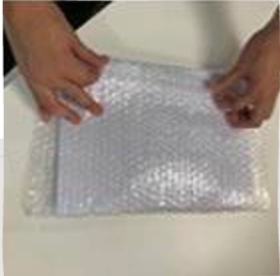 | STEP 2  | STEP 3 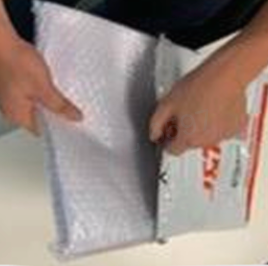 | STEP 4 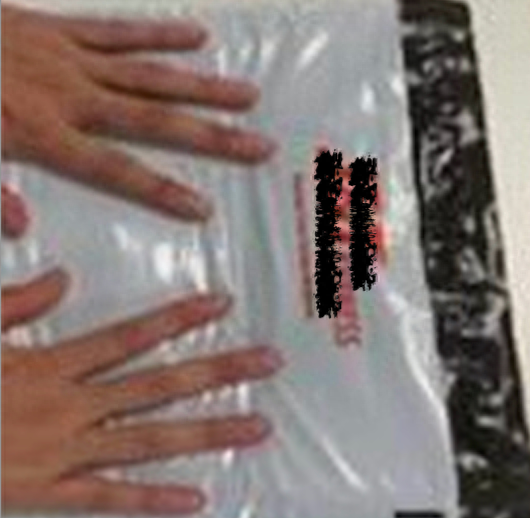 | STEP 5 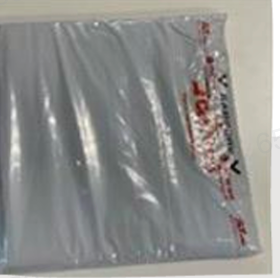 |
Wrap books with bubble wrap. | Secure with tape. | Pack in a snug-fitting shipping bag. | Squeeze out the air. | Seal the shipping bag with tape. |
Fragile and Breakable Items
What Qualifies as Fragile and Breakable
Items prone to deformation, breakage, or damage during transport due to inadequate packaging, such as:
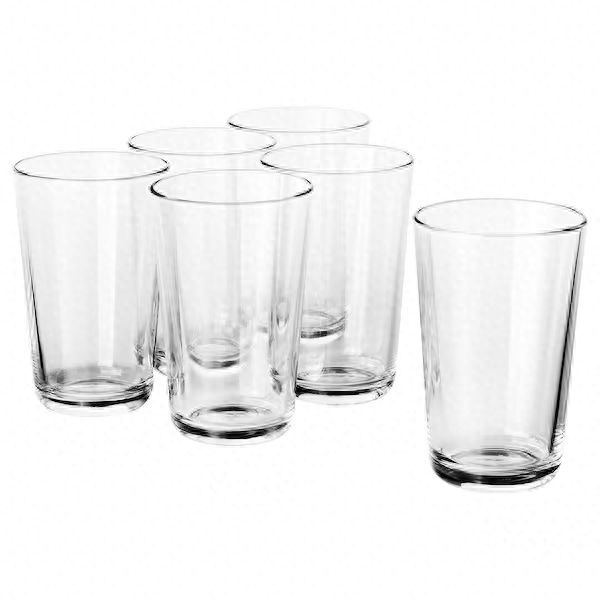
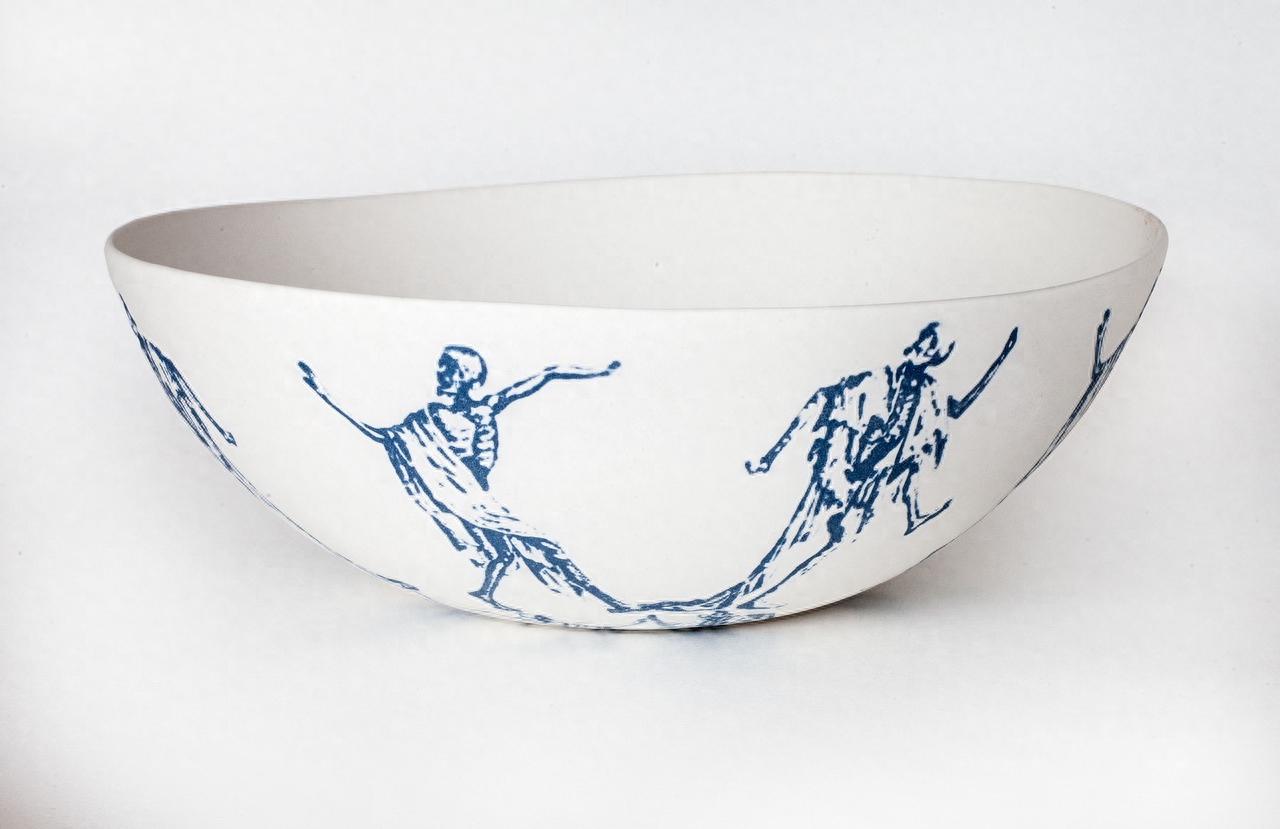
- Glass products (drinking glasses, glass ornaments, glass jars and container sets), mirrors, consumer electronics (mobile phones, tablets), ceramic products (ceramic bowls, ceramic vases), small home appliances (coffee makers, electric cookers, blenders, speakers, handheld vacuums), rigid plastic and acrylic products prone to cracking, breaking, or deforming under impact or compression (acrylic storage boxes, acrylic display stands, rigid plastic containers, and other fragile plastic items), etc.
 |  |  |
Packaging Requirements
Fragile and breakable items | Packaging requirements | Inner packaging protection requirement | Filling requirement | Package sealing requirement | Warning labels and markings |
Specific requirements | Fragile items must not be shipped in the manufacturer's original packaging alone. An outer shipping package is mandatory. Outer packaging: Corrugated mailer box of appropriate size. Filling material: Air cushions/bubble wrap. Inner packaging protection: Bubble wrap/EPE foam bag/stretch film. | Wrap each fragile item individually with suitable cushioning material (including but not limited to bubble wrap, air columns, EPE foam, stretch film, etc.) to ensure sufficient protection against impact during transport. Collision protection: when one package contains multiple items, they must not touch each other directly and must be separated by cushioning materials. Direct contact is allowed only for very small individual items. Arrange the items neatly and wrap them again with bubble wrap. Seal the box with tape in a cross pattern. | Immobilization requirement: fill the gaps between the product and the box walls with suitable filling material so the product stays firmly in place and does not shift. Avoid large gaps, but do not deform or bulge the box. After filling, items must remain firmly immobilized and must not move when the package is shaken. | Seal the box with tape in a cross pattern and smooth all taped surfaces. Tape ends must extend 80 mm beyond the edges of the cardboard box and adhere smoothly. The gap between the flaps must not exceed 5 mm. | Apply a fragile item label.  |
Pack goods in a sturdy box of appropriate size. Place bubble wrap or air cushions in the box to prevent products from rattling or moving excessively and from being crushed or damaged. Apply a "fragile" sticker/label to any box that must be handled with care. 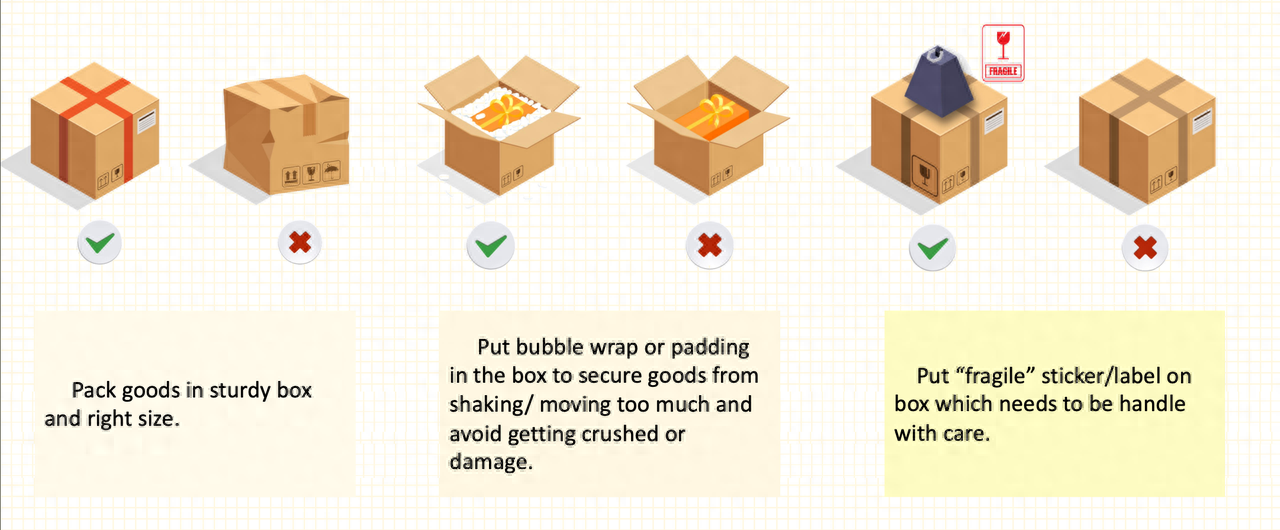 | |||||
Illustrations of inner packaging protection | |||||
 | 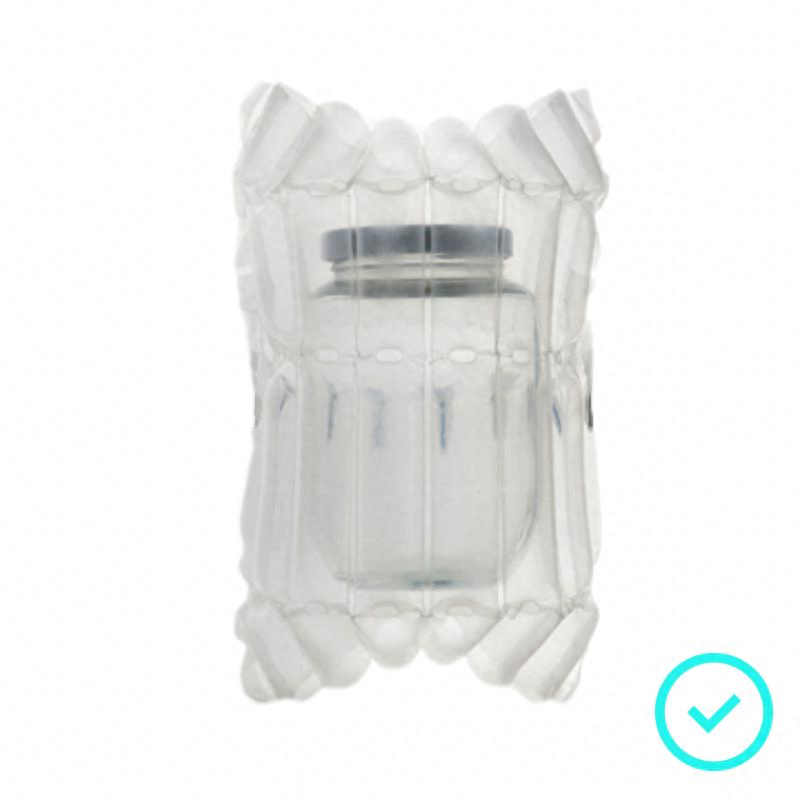 | 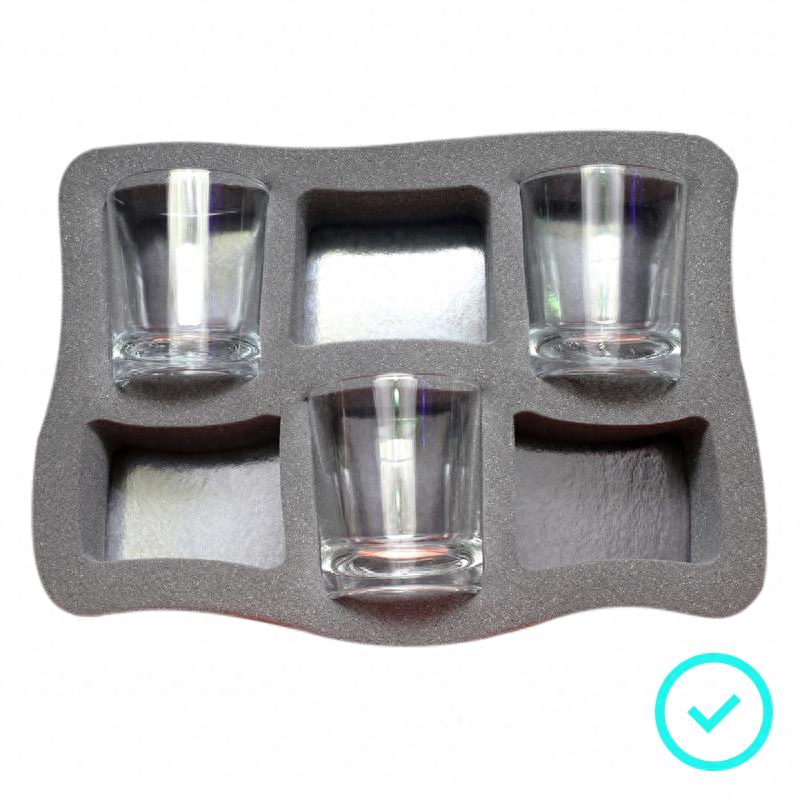 | |||
Specific Packaging Examples
Scope: For the products below, in addition to the general rules, this section sets out packaging standards and specifications for common fragile items and includes a general process illustration. Because different products vary in size specifications and basic characteristics, the carrier may provide more specific packaging requirements at pickup.
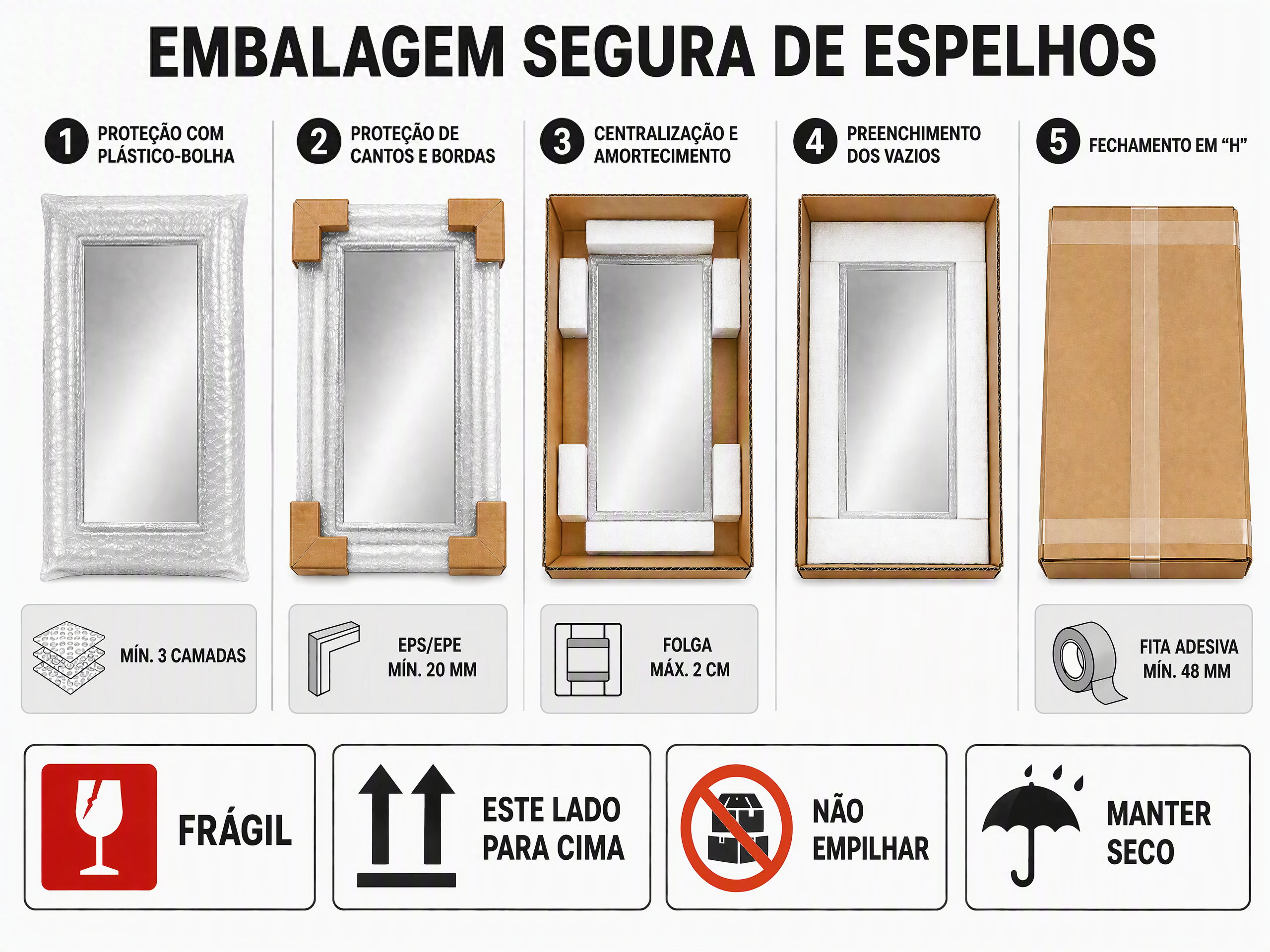
Example 1 — Mirrors
- For mirrors with a surface area greater than 0.1 m², apply a layer of protective foam (EPE or EVA) directly on the mirrored side. Then fully wrap the mirror with at least three layers of bubble wrap at least 10 mm thick.
- Protect all corners and edges with cardboard or foam corner protectors and EPS/EPE boards at least 20 mm thick.
- Place the product in the center of a sturdy box, protecting the bottom and top.
- Fill all empty spaces. Remaining space must not exceed 2 cm, and the product must not move inside the box.
- Seal the box in an “H” pattern with wide tape at least 48 mm wide.
- Apply “FRAGILE”, “THIS SIDE UP”, “DO NOT STACK”, and “KEEP DRY” labels.
- Store and transport the product upright.
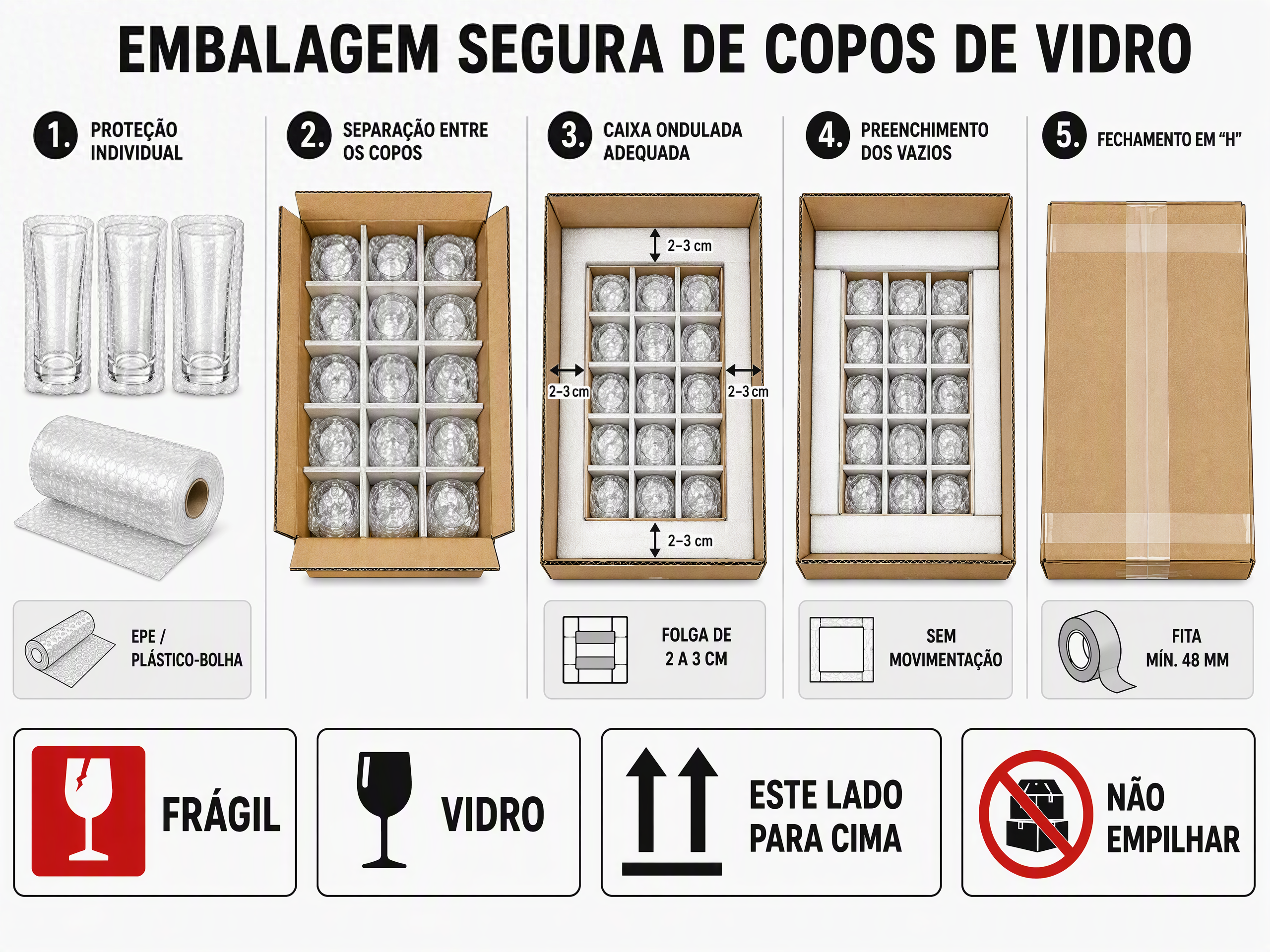
Example 2 — Drinking Glasses
- Wrap each glass individually with bubble wrap or EPE foam, covering the entire surface.
- Use EPS or cardboard dividers to prevent direct contact between glasses.
- Use a corrugated cardboard box of appropriate size, leaving 2–3 cm on each side for cushioning material.
- Fill all spaces with EPE foam, air cushions, honeycomb paper, or bubble wrap. Products must not move inside the box.
- Seal the top and bottom of the box in an “H” pattern using heavy-duty tape at least 48 mm wide.
- Apply “FRAGILE”, “GLASS”, “THIS SIDE UP”, and “DO NOT STACK” labels.
Example 3 — Airtight Glass Jar Set
- Wrap each jar individually with at least two layers of bubble wrap or EPE foam.
- Make sure all lid latches are securely closed.
- Use cardboard dividers to separate the jars and prevent collisions during transport.
- Use a double-wall corrugated cardboard box. The distance between the products and the box walls must not exceed 2 cm.
- Fill all empty spaces with cushioning material to eliminate any internal movement.
- Seal the box in an “H” pattern with heavy-duty tape.
- Apply a “FRAGILE — HANDLE WITH CARE” label in a visible location.
- Transport upright and avoid stacking, compression, throwing, moisture, and exposure to high temperatures.

Spillable Items
What Qualifies as Spillable
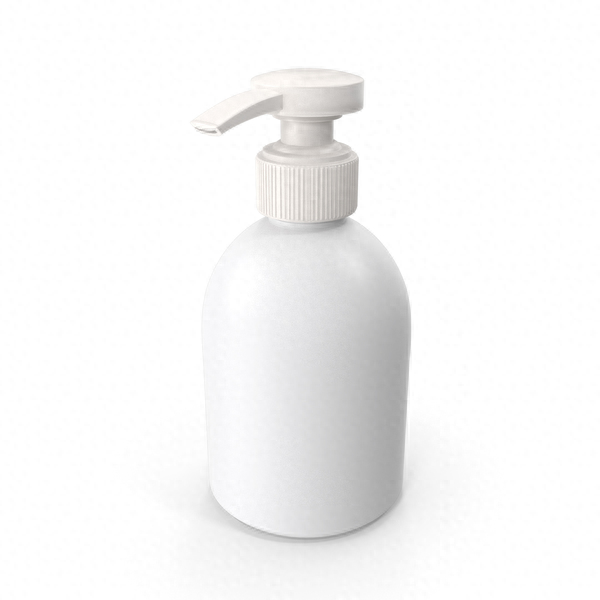
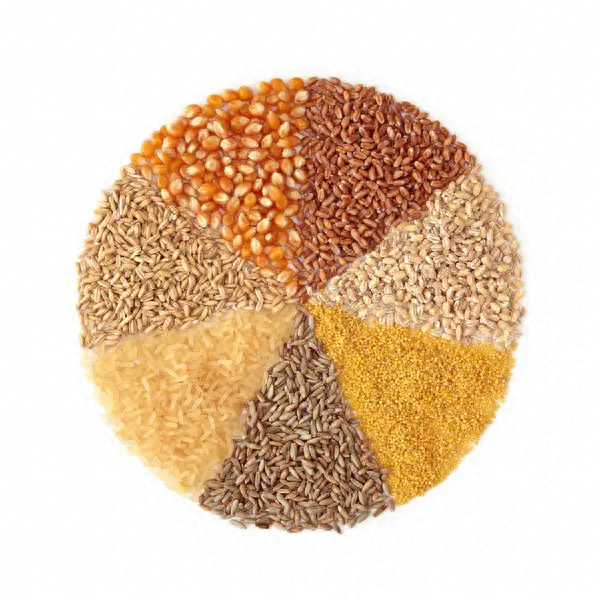
Containers or items that may deform, break, or be damaged, and whose contents may spill during shipping if not properly packed, including:
- Beverages, beauty products (moisturizers, perfumes, and Body Splash kits), personal care products (facial cleansers, shower gels), semi-solid products (grains, powders, gels, wet wipes), granular products (dog/cat food and cat litter), etc.
 |  |  |
Additional Examples of Spillable or Granular Items
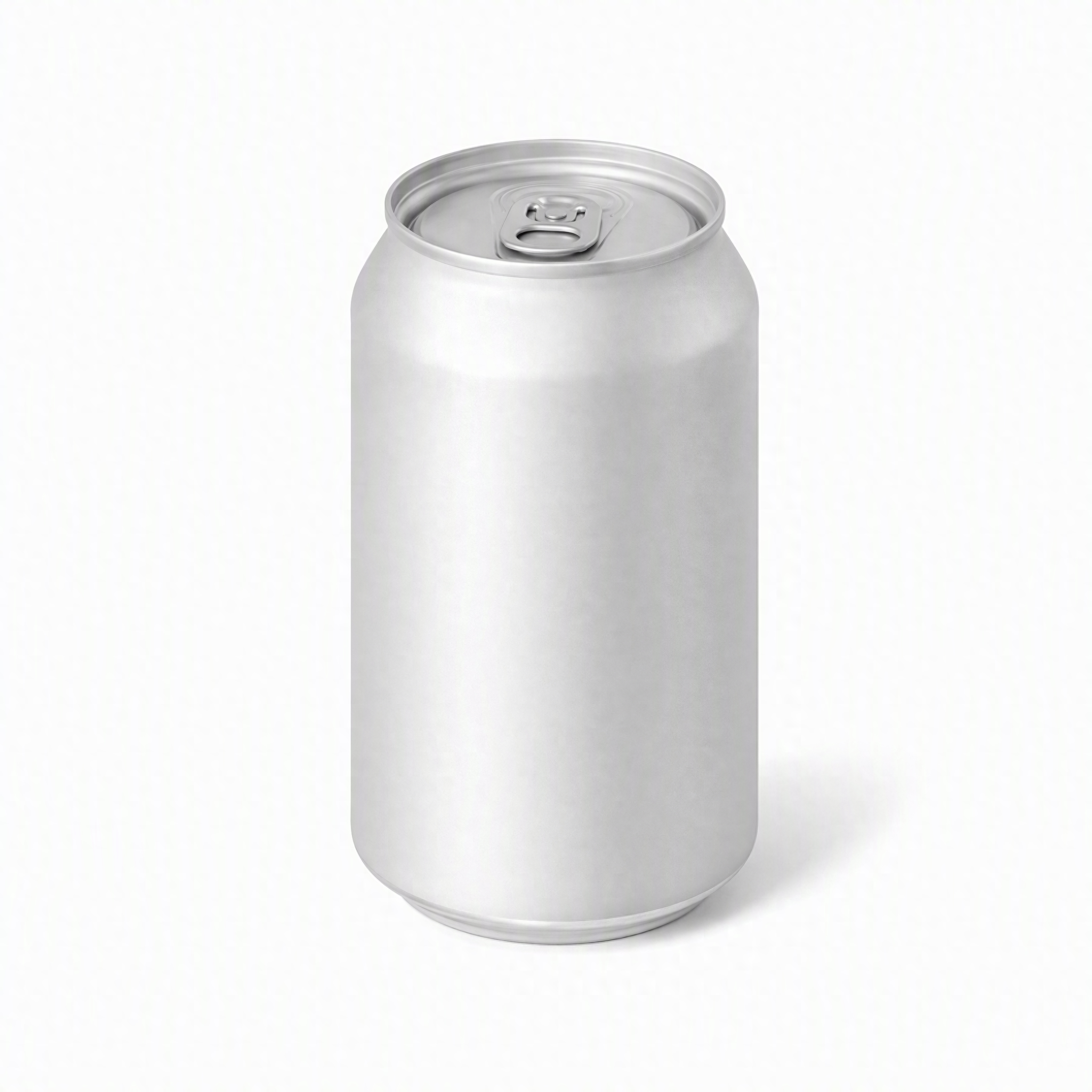
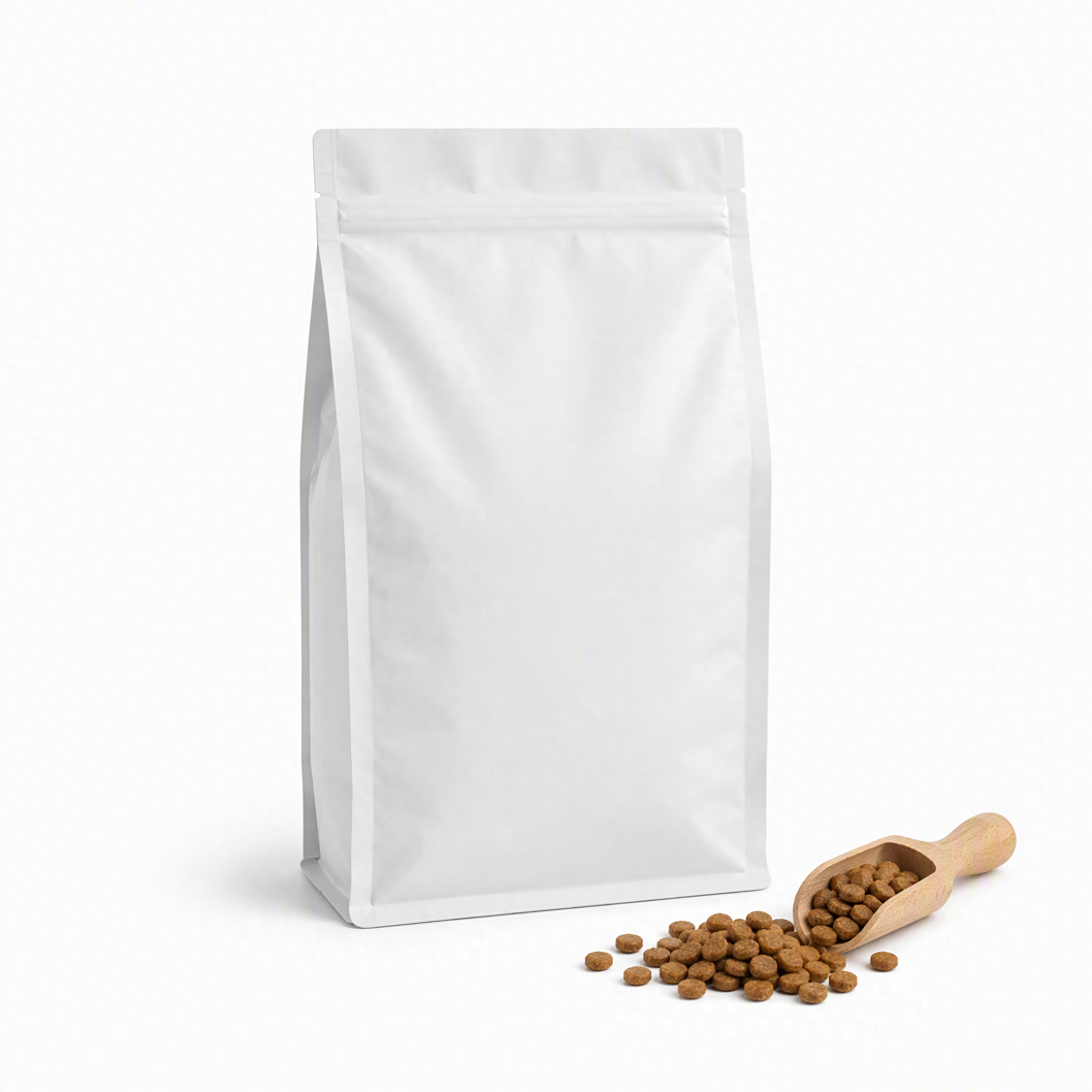
Canned beverages and granular products, such as dog/cat food and cat litter, must also follow the requirements in this section whenever there is a risk of leakage, packaging deformation, or rupture during transport.
 |  |
Packaging Requirements
Spillable items | Packaging requirements | Inner packaging protection requirement | Filling requirement | Package sealing requirement | Warning labels and markings |
Specific requirements | Outer packaging: Waterproof bag/appropriately sized cardboard box. Filling material: Air cushions/bubble wrap. Inner packaging protection: Bubble wrap/EPE foam bag/stretch film. Requirements by product type: Bottled liquids: use a sufficiently thick three-layer corrugated cardboard box and add inner protective materials. Pet food, cat litter, and other granular products: wrap the package with at least 3 layers of plastic/stretch film, then wrap and seal the entire exterior with high-quality waterproof film. | If no retail packaging is available, secure the lid with adhesive tape, use a leak-proof clip, or add more plastic/stretch film to prevent leaks, and wrap the product with two or more layers of bubble wrap or other eco-friendly materials. Requirements by product type: Bottled liquids: wrap the entire bottle with air column bags or bubble wrap. Canned products: fill the inside of the box with bubble wrap to prevent the box from deforming. Make sure the shipping bag fits the package snugly. Seal the box with adhesive tape in a cross pattern. | Fill the remaining space in the cardboard box with enough material to keep the items inside stable and prevent significant movement. | Seal the box with adhesive tape in a cross pattern and smooth all tape surfaces. Tape ends must extend 80 mm beyond the edges of the cardboard box and adhere smoothly. The gap between flaps must not exceed 5 mm. | Apply a fragile item label. |
Packing process | Wrap the nozzle with adhesive tape to prevent leaks, or use stretch film or leak-proof clips on the nozzle and bottle cap. | ||||
Wrap the product's outer packaging with bubble wrap and apply adhesive tape in a cross pattern. Note: Two or more layers of bubble wrap must be wrapped tightly around the product box. Place the bubble-wrapped product in the shipping box. Note: Choose an appropriately sized shipping box with minimal empty space inside. Use air cushions to fill any empty space in the box. Note: If there is enough space for two or more air cushions, fill the space and make sure the box does not bulge. Seal the box with adhesive tape in a cross pattern and smooth all tape surfaces. Note: The tape used to seal the box must be flat, with no bumps. Tape ends must extend 80 mm beyond the edges of the cardboard box and adhere smoothly. The gap between flaps must not exceed 5 mm. |  | 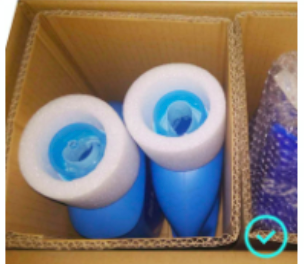 | 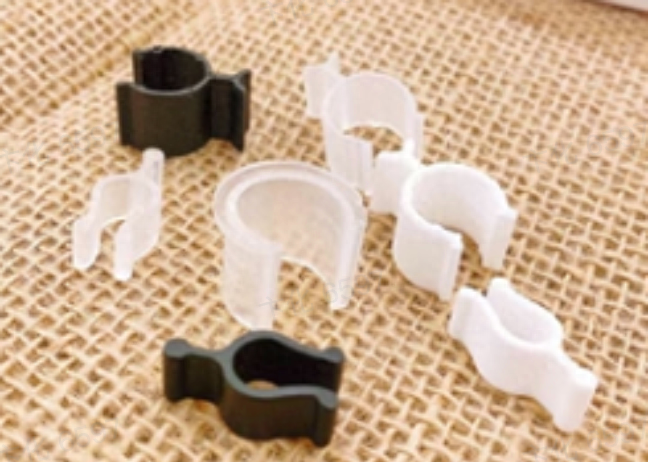 | ||
Supplementary Visual Packaging Example
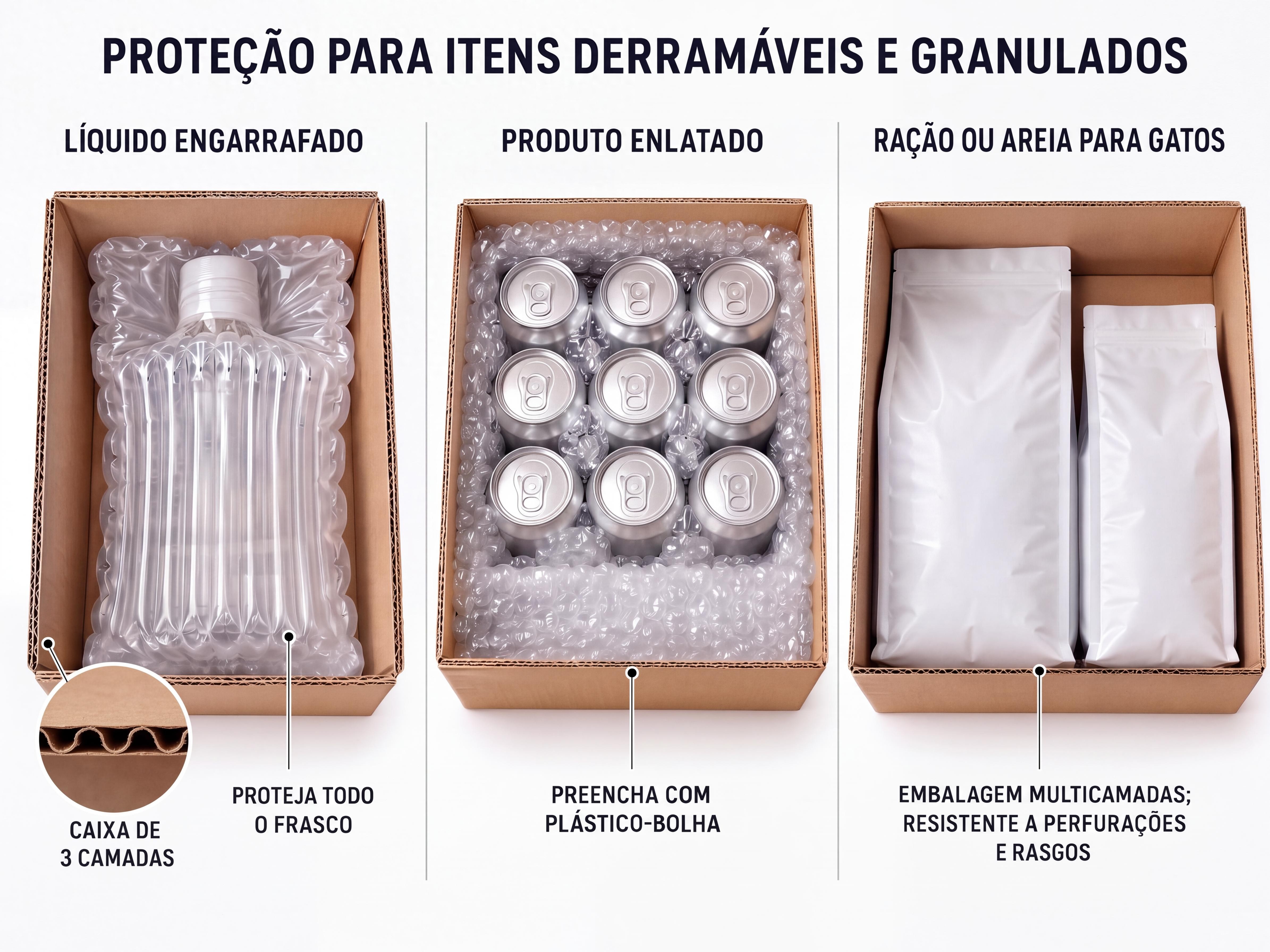
Specific Packaging Example: Kit with 3 Body Splashes
- Make sure caps and nozzles are tightly closed and protected against leaks, in line with the general requirements for spillable items.
- Wrap each bottle individually with bubble wrap, covering the entire product and reinforcing protection around the cap.
- Group the three units and wrap them again with bubble wrap or EPE foam, securing the set to prevent movement.
- Place the set in an appropriately sized box, leaving enough space on the sides for cushioning material.
- Fill all empty spaces with EPE foam, bubble wrap, or foam boards. The set must not move inside the box.
- Seal the box in an “H” pattern with wide adhesive tape.
- Apply the “FRAGILE — HANDLE WITH CARE” and “THIS SIDE UP” labels.
- Protect from moisture and water, and do not place heavy objects on top of the package.

Important: The illustration summarizes the process and serves as a visual reference only; it does not exclude other solutions that fully meet the requirements. These packaging guidelines do not change the shipping restrictions or compensation rules applicable to liquid products.
Dangerous and Hazardous Items
What Qualifies as Dangerous and Hazardous
Items with physical hazards, toxicity, etc.
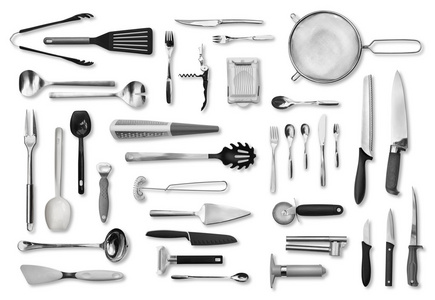
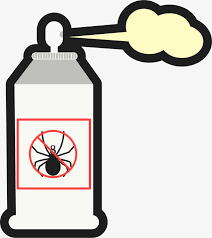
- Examples include kitchen utensils, knives, insecticides, etc.
 |  |
Packaging Requirement
Dangerous and hazardous items | Packaging requirements | Inner packaging protection requirement | Filling requirement | Package sealing requirement | Warning labels and markings |
Specific requirements: If your package contains dangerous or hazardous products, such as knives, kitchen utensils, etc., strictly follow the packaging requirements. | Outer packaging: Appropriately sized cardboard box. Filling material: Air cushions/bubble wrap. Inner packaging protection: Bubble wrap/shock-absorbing foam | Wrap the product with two or more layers of bubble wrap or other eco-friendly materials. Place the wrapped product in the shipping box and use air cushions to fill any empty space. Seal the box with adhesive tape in a cross pattern. | Fill the remaining space in the cardboard box with enough material to keep the items inside stable. After packing, gently shake the package to make sure there is no rattling sound. If there is empty space in the box equal to or larger than two air cushions, use air cushions or other filling material to fill the box completely, and make sure the box does not bulge after filling. | Seal the box with adhesive tape in a cross pattern and smooth all tape surfaces. Make sure the tape is applied without wrinkles and the gap between flaps does not exceed 5 mm. | Apply a fragile item label. 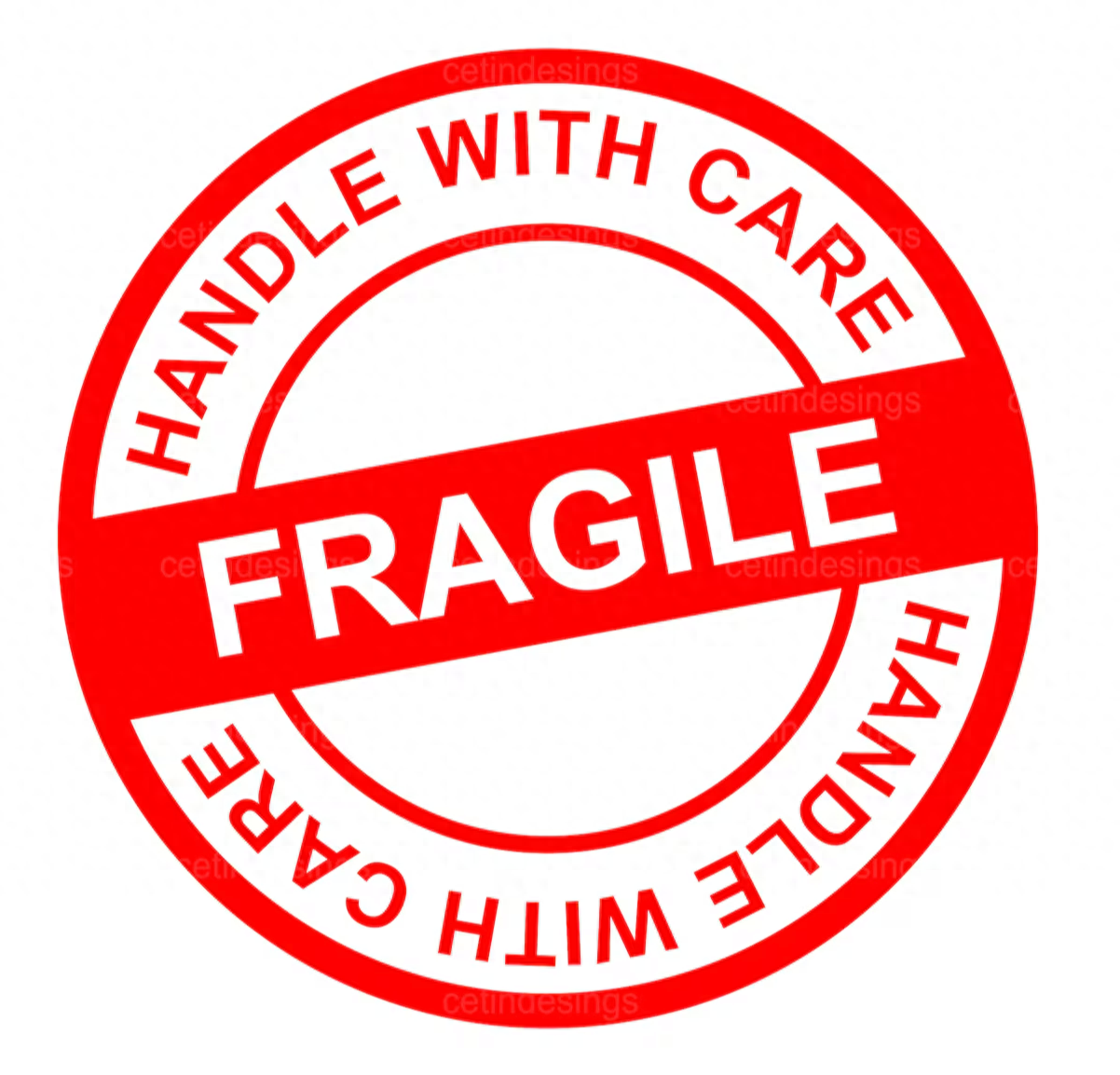 |
Packaging specifications | Packing process | ||||
Shipping packaging guidelines: Choose sturdy packaging materials or bags that fit the item's size, with no tears or damage. Use foam film to protect items from impact. Place the item in the center of the box, then fill the gaps with shock-absorbing sponge or foam film to keep the item from moving. Seal the box with adhesive tape in an H pattern. | The product must be fully wrapped with bubble wrap bags or other materials. Place the product wrapped in bubble wrap bags in the shipping box and use air cushions to fill any empty space. Seal the box with adhesive tape in a cross pattern. | ||||
Bulky, Heavy, or Irregularly Shaped Items
What qualifies as bulky, heavy, or irregularly shaped
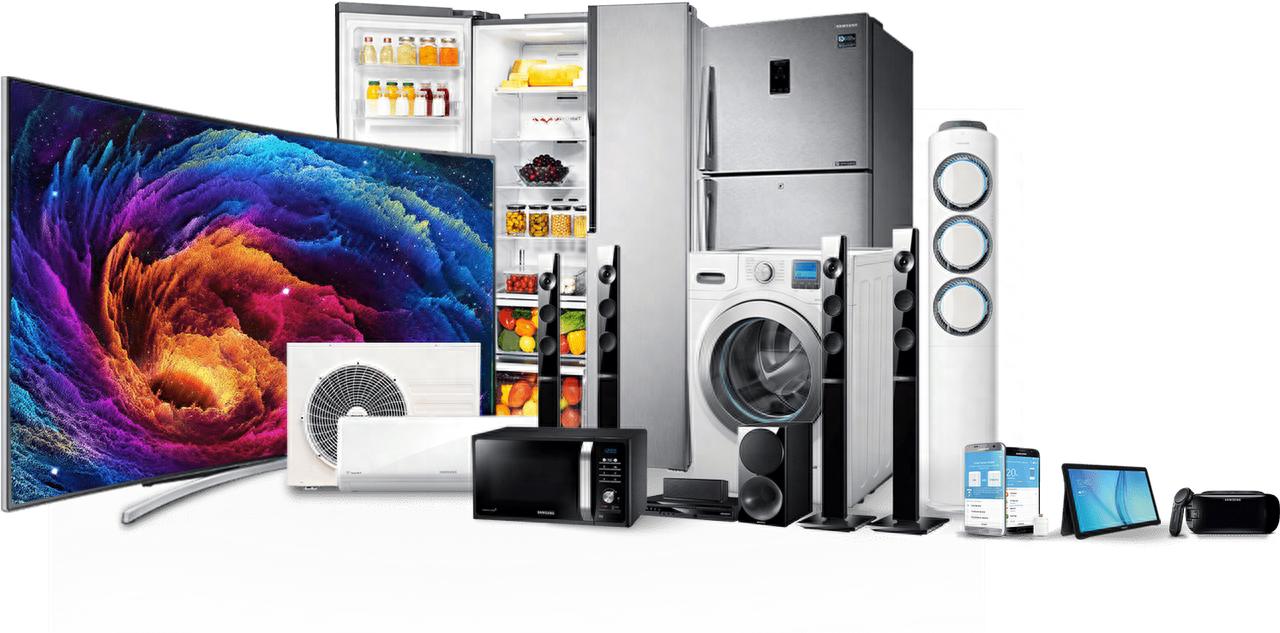
Items weighing more than 10 kg or with a length, width, or height exceeding 100 cm. Irregularly shaped items are those whose size and angles do not fit standard boxes.
- Examples include TVs, monitors, home appliances, camera tripods, massage chairs, tables, etc.
 |  |  |
Packaging Requirements
Bulky, heavy, or irregularly shaped items | Packaging requirements | Inner packaging protection requirements | Filling requirements | Sealing requirements | Warning labels and markings |
Specific requirements | Outer packaging: Cardboard box of appropriate size. Filling material: Air cushions/bubble wrap. Inner packaging protection: Bubble wrap/shock-absorbing foam. | Secure the lid with adhesive tape and wrap the product in two or more layers of bubble wrap or other eco-friendly materials. Place irregularly shaped items in a regularly shaped cardboard box. Protect the edges of the item with polystyrene foam. Place the wrapped product in the shipping box and fill any empty space with air cushions or other filling material. Seal the box with adhesive tape in a cross pattern. | Fill the remaining space in the box with enough material to keep the items stable and prevent significant movement. Fill the box completely with air cushions or other filling materials, and make sure the box does not bulge after filling. | Seal the box with adhesive tape in a cross pattern and smooth all taped surfaces. Make sure the tape is applied without wrinkles and the gap between flaps does not exceed 5 mm. | Heavy and bulky item label Fragile item label  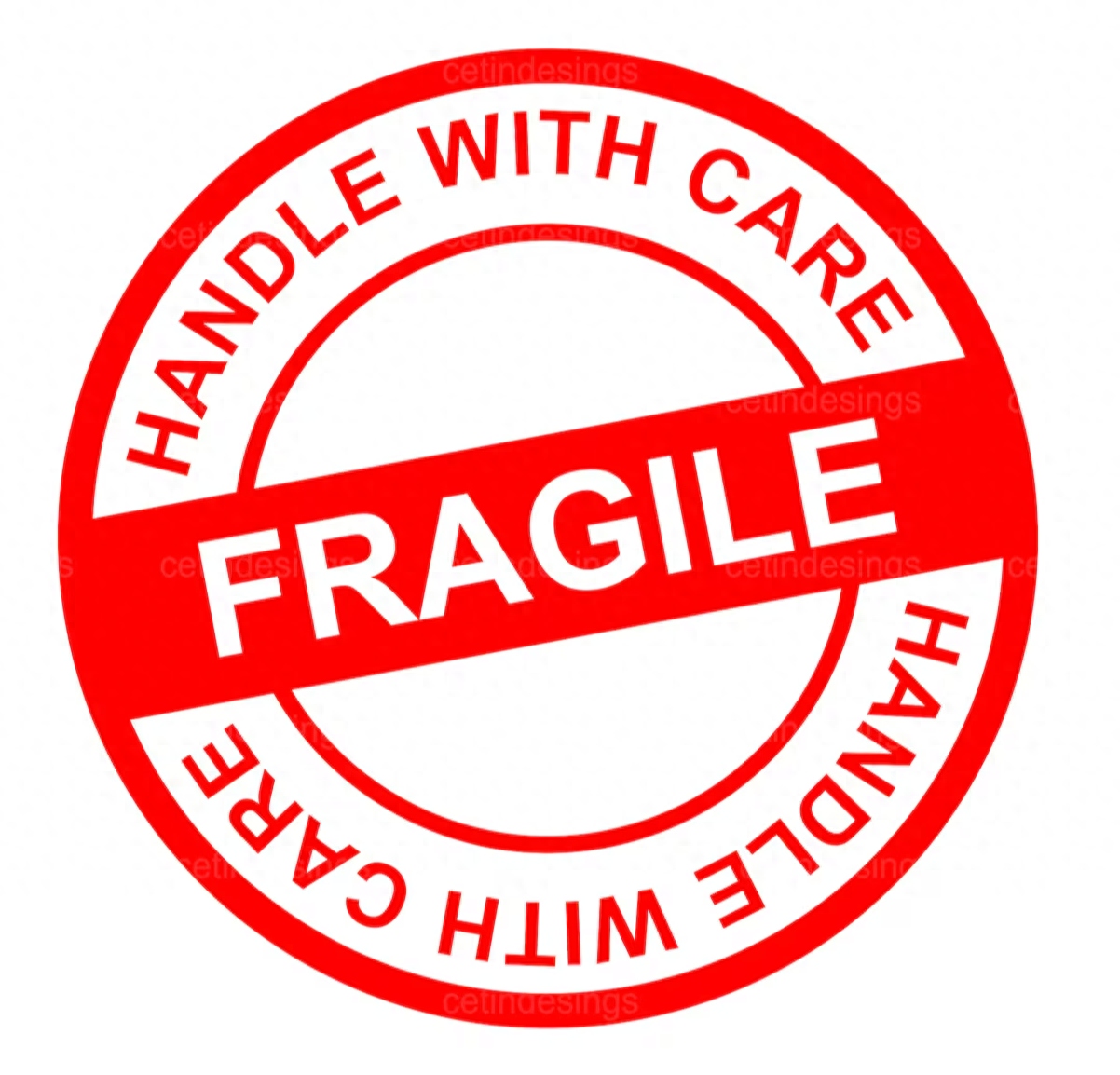 |
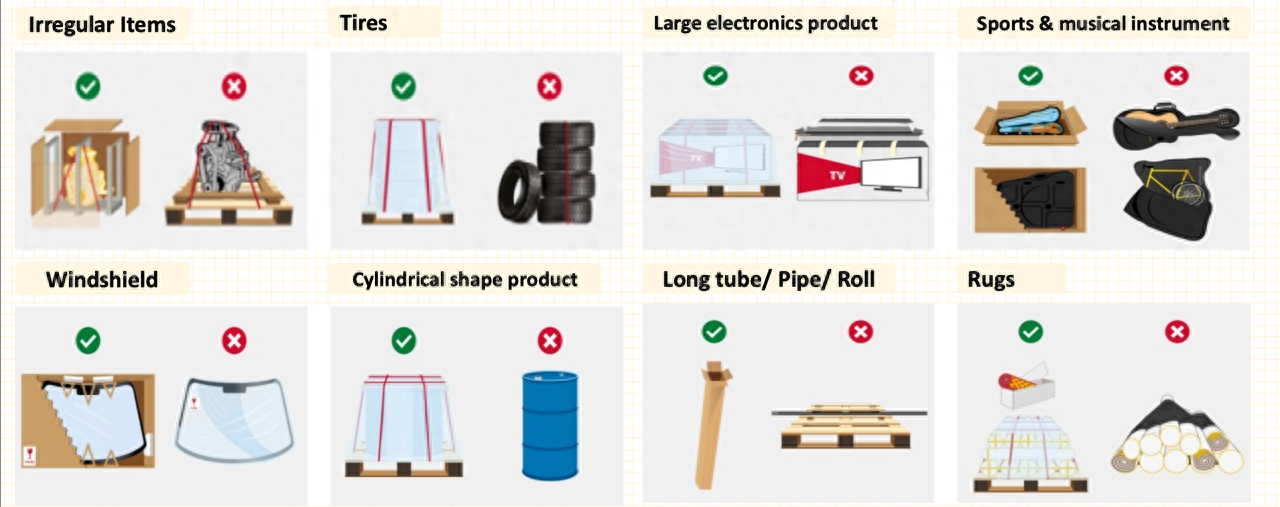 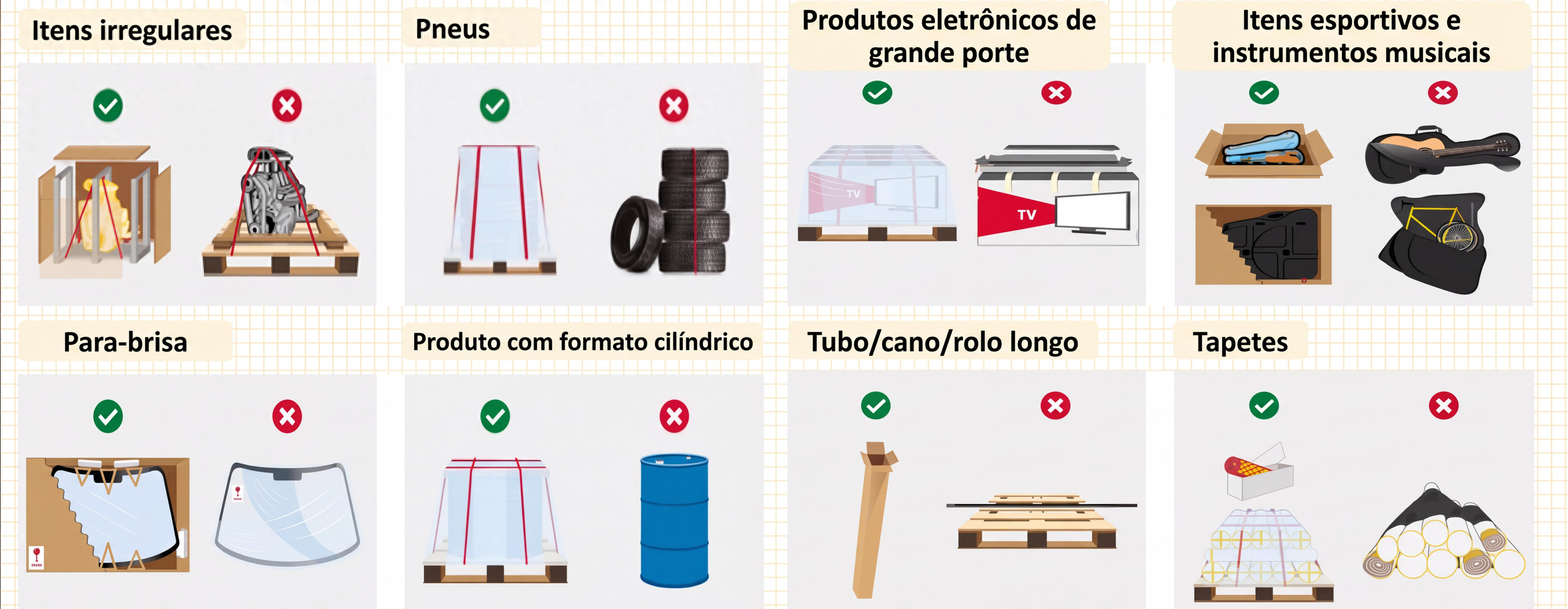 | |||||
EN | BR |
Irregular Items | Itens irregulares |
Tires | Pneus |
Large electronic products | Produtos eletrônicos de grande porte |
Sports equipment and musical instruments | Itens esportivos e instrumentos musicais |
Windshield | Para-brisa |
Cylindrical products | Produto com formato cilíndrico |
Long tubes, pipes, or rolls | Tubo/cano/rolo longo |
Rugs | Tapetes |
Small Items
Definition of small items
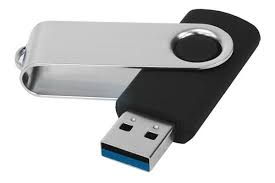
Small items weighing less than 1 kg.
- Examples include USB flash drives, devices, stickers, jewelry, etc.
 |  |  |
Packaging Requirements
Small items | Packaging requirements | Inner packaging protection requirements | Filling requirements | Sealing requirements | Warning labels and markings |
Detailed requirements | Outer packaging: Corrugated mailer box/waterproof bags. Filling materials: Air cushions/bubble wrap. Inner packaging protection: Bubble wrap/shock-absorbing foam. | Make sure there is enough space for a shipping label. If your item also falls under any of the other item types above, follow the corresponding requirements. Shipping bags must wrap the items snugly. Use filling materials to minimize empty space. | Fill the package with air cushions or other filling materials, and make sure the box does not bulge from the filling. | Seal the box with adhesive tape in a cross pattern and smooth all taped surfaces. Make sure the tape is applied without wrinkles and the gap between flaps does not exceed 5 mm. | No requirements. |

Packaging That May Be Rejected at Pickup
Attention: The situations below may lead the carrier to reject the package at pickup from the seller's address, in accordance with applicable operational rules. Written requirements take precedence over illustrations.
- Outer packaging does not meet requirements: the outer packaging does not meet the applicable requirements for the relevant product type, as described in the previous sections of this guideline.
- No cushioning material or dividers: fragile items, multiple items, or items with surfaces that may collide must be separated and immobilized with adequate protection.
- Unsealed liquids: close caps and nozzles, apply leak protection, and use waterproof inner packaging before placing the product in the outer box.
- Inadequate packaging for irregular items: fully cover tips, edges, and protruding parts, and place the item in sturdy, regularly shaped outer packaging.
⚠️ Attention: Merchants must package products safely and securely in accordance with the platform’s packaging standards. If it is verified that non-compliant packaging has caused breakage, leakage, contamination, or damage to other parcels during transit, or has adversely affected operational personnel, logistics equipment, or the customer experience, the platform reserves the right to take measures based on the level of risk and the progress of corrective actions, including requiring rectification within a specified period, refusing parcel collection, and suspending the relevant product.
Based on the cases and images below, the table shows examples of inadequate packaging that may lead the carrier to reject the package at pickup from the seller's address. Assessment follows the applicable requirements of this guideline and current operational rules.
Examples of Inadequate Packaging That May Be Rejected at Pickup
No. | Type of non-compliance | Situation observed in the example | Transport risk and reason for rejection | Applicable requirement |
01 | Multiple items without cushioning or dividers | Several glass containers are stacked in direct contact and protected only by a thin plastic bag, with no dividers, bubble wrap, or filling material. 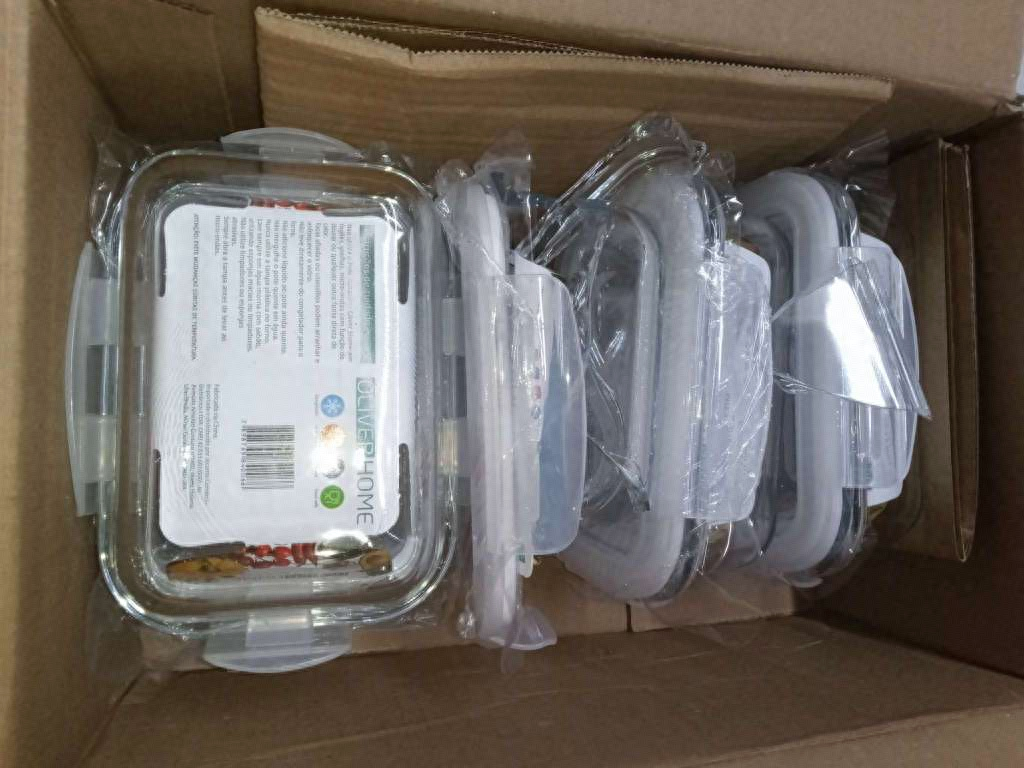 | During vibration, impact, and stacking, the items may collide with each other and crack, chip, or break completely. | Wrap each item individually with bubble wrap, EPE foam, or equivalent material. Use cardboard dividers or other suitable separators, and fill all empty spaces to prevent movement. |
02 | Glassware without inner protection | Several glasses or goblets are placed directly in the box, touching each other with no separation or impact protection; signs of breakage are already visible inside. 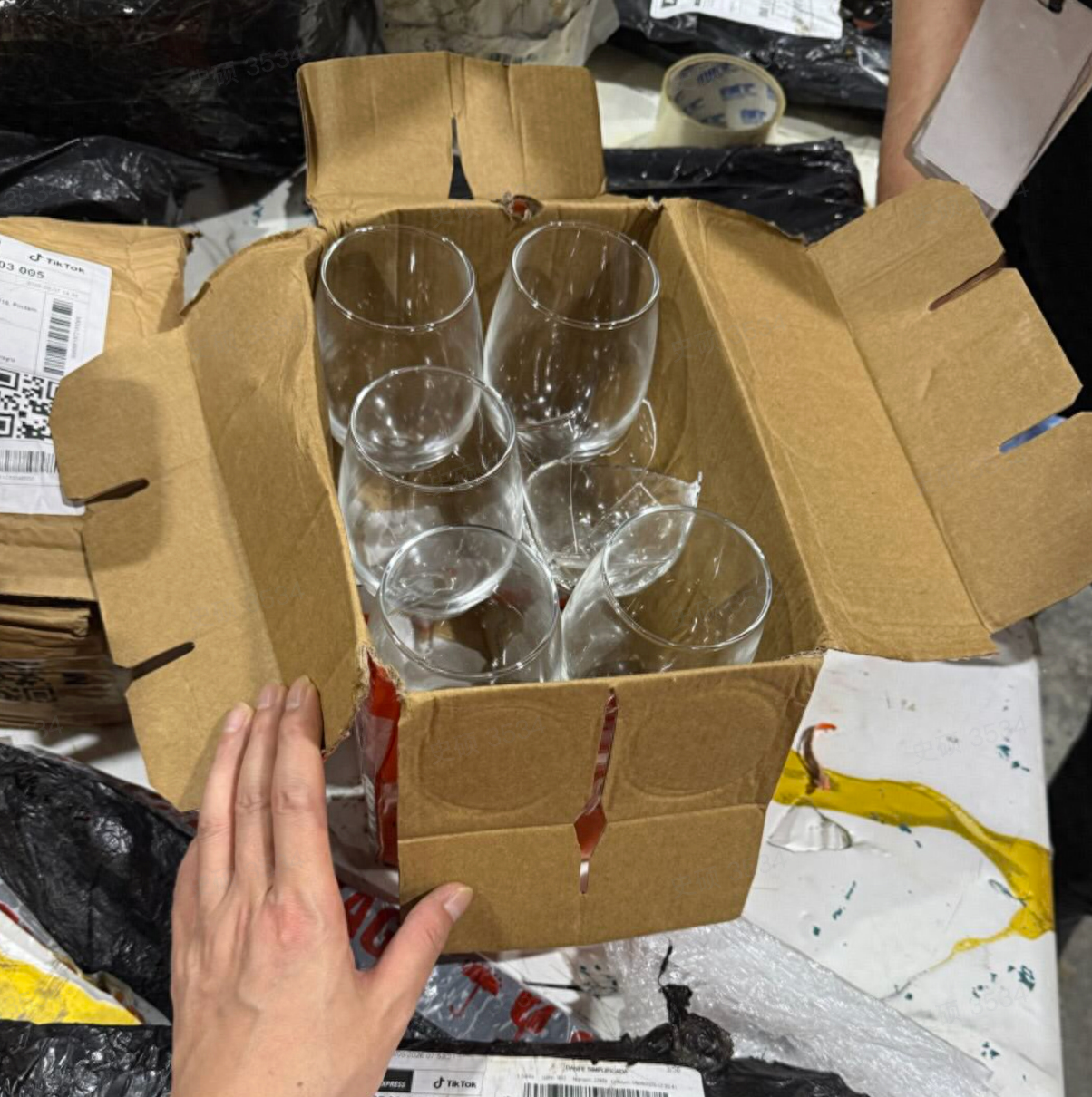 | This is a high-risk fragile item. Lack of cushioning may cause breakage, and glass fragments may pierce the box and cause injuries and damage to other packages. | Use molded foam/EPE trays, suitable dividers, or individual air-column protection. Add cushioning at the bottom and top of the box and apply a “FRAGILE” label where applicable. |
03 | Liquid not sealed or locked | The liquid product with a spray or pump was not sealed, and the liquid leaked, soiling the bottle and soaking the outer box. 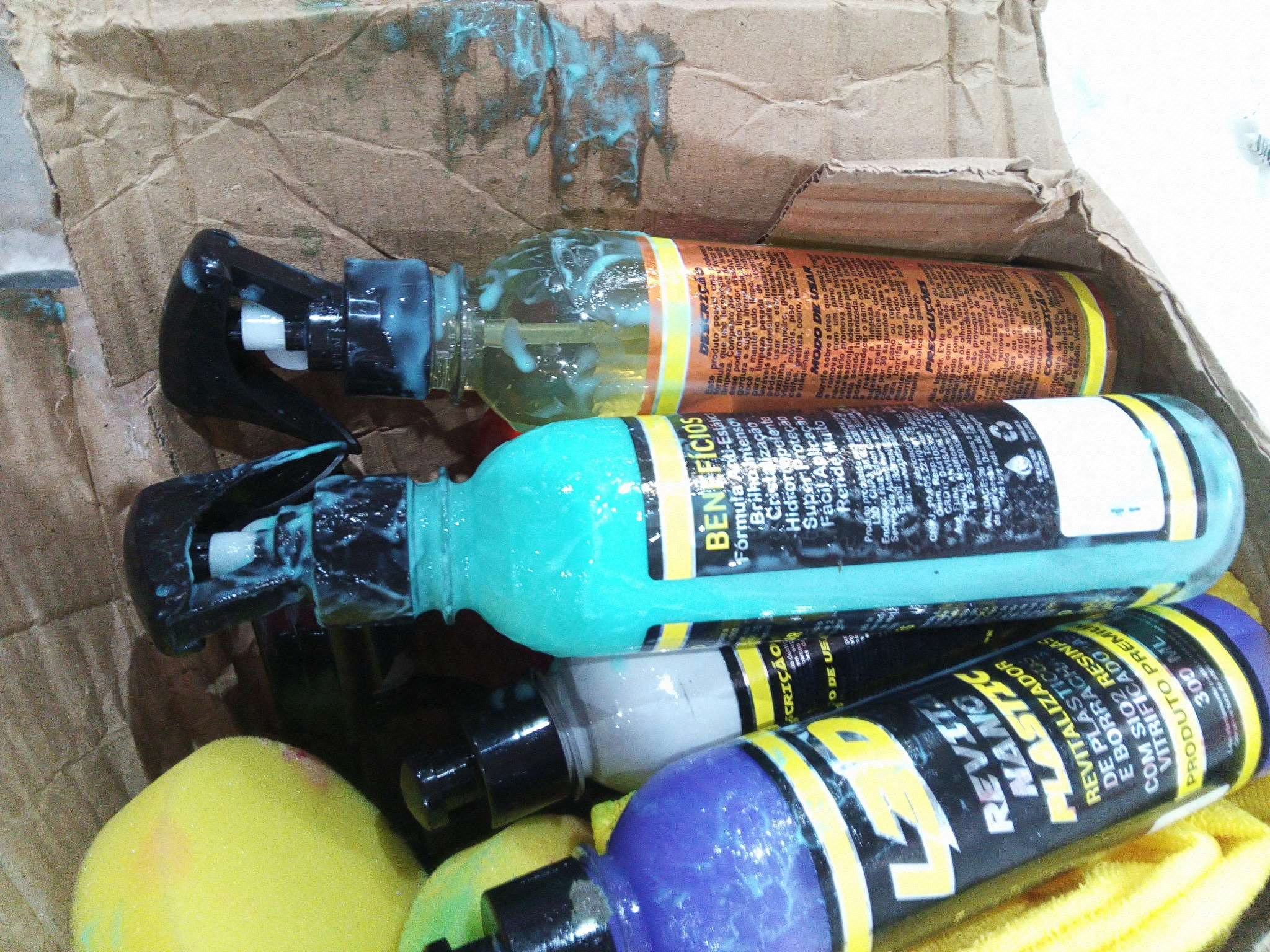 | Vibration or compression may activate the pump or loosen the cap. Leakage may weaken the box and contaminate other packages and transport equipment. | Close and secure the nozzle and cap with adhesive tape, stretch film, or a leak-proof clip. Place each bottle in a sealed waterproof bag or use other suitable secondary containment. |
04 | Liquid shipped only in flexible packaging | The bottled liquid product is placed directly in a single-layer shipping bag, with no rigid box or air-column protection, and the bag is torn.  | Flexible bags offer low resistance to compression, puncture, and drops, increasing the risk of container rupture and leakage. | Do not use a shipping bag as the only outer packaging for bottled liquids. Use a three-layer corrugated cardboard box of sufficient thickness, protect each container with air columns, bubble wrap, or equivalent material, and fill gaps to prevent movement. |
05 | Mirror or glass panel without full protection | The mirror or other large glass panel was wrapped only in thin cardboard, with no full foam protection or corner reinforcement, and shows extensive breakage. 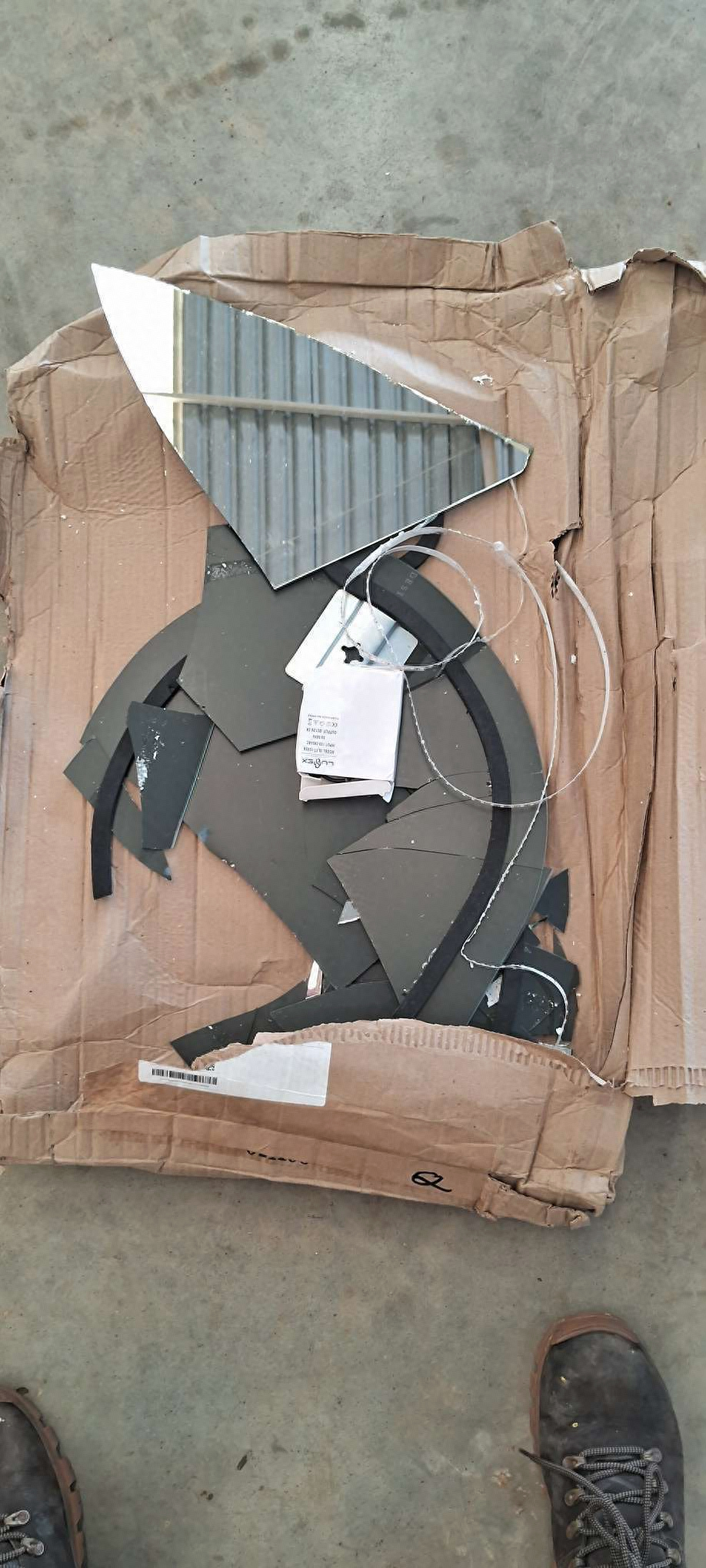 | Large glass panels have low resistance to bending and compression. Breakage may expose sharp fragments and create a serious risk of injury during handling. | Protect both faces with anti-scratch film where applicable. Use molded EPS/EPE protection or equivalent material around the entire piece, reinforce all four corners, and use a reinforced corrugated cardboard box. For large or heavy items, follow any additional carrier requirements. |
06 | Multi-component product without fitted inserts or internal separation | The appliance body, transparent container, blades, and other accessories are loose in the box, with no molded tray or dividers, allowing the parts to touch directly. 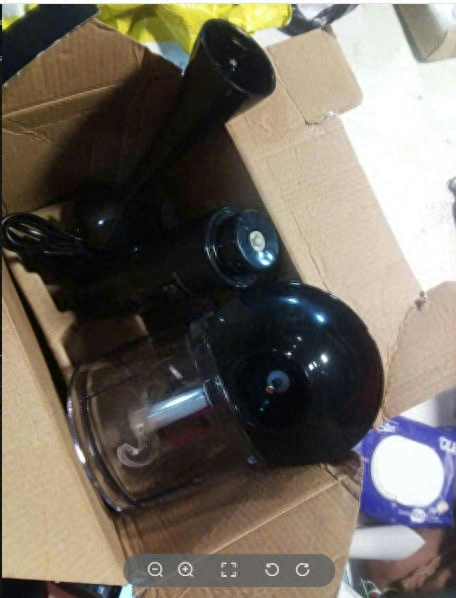 | During vibration, the heavier body, fragile parts, and blades may collide, causing cracks, chips, loose components, or damage to the appliance. | Use a molded pulp tray, plastic cradle, or dividers that hold each component in its own slot. Protect blades and fragile parts separately and fill gaps to eliminate movement. |
07 | Product shipped only in retail packaging, without transport protection | The product is shipped only in its original retail packaging (thin display-type box with no internal molded cradle), with no additional outer shipping box. The shipping label is attached directly to the retail packaging, with no reinforcing outer packaging (see photo below). 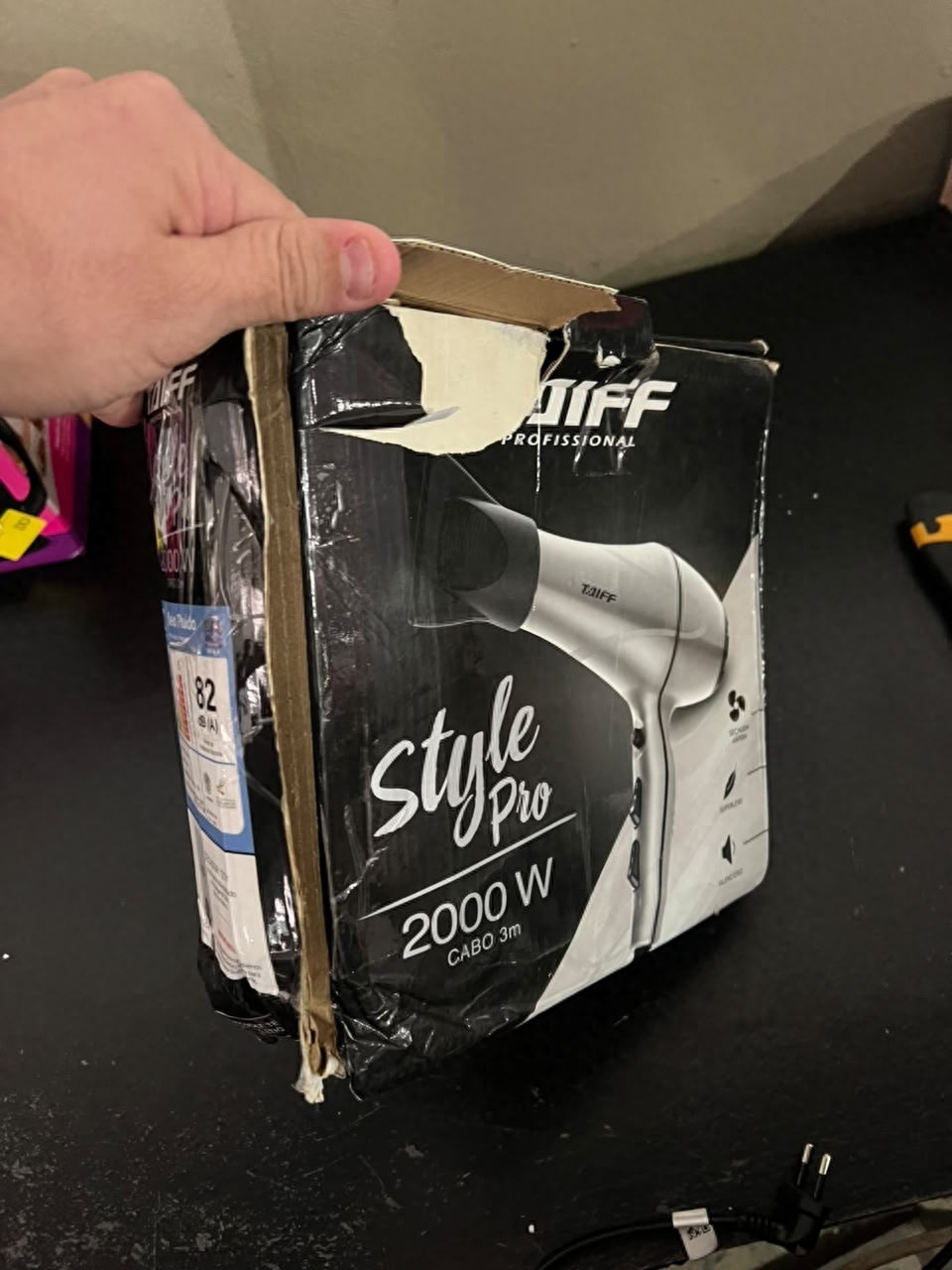 | Retail packaging is not designed to withstand the drops, compression, and vibration of individual e-commerce shipping. Without outer protection, the product is exposed to direct impact, resulting in a high damage rate, especially for electronics, small appliances, cosmetics in glass bottles, and promotional kits. On delivery to the customer or on return after rejection, the retail packaging arrives crushed, torn, or dirty, which prevents the seller from reselling the product. Even if the product inside is intact, damage to the retail packaging that affects resale is not compensated by the platform or the carrier. | Fragile items (including small appliances) must not be shipped only in the manufacturer's original packaging. Place the product in a corrugated cardboard shipping box with suitable filling material, in accordance with the packaging requirements for fragile items. |
Packages Containing High-Value Items
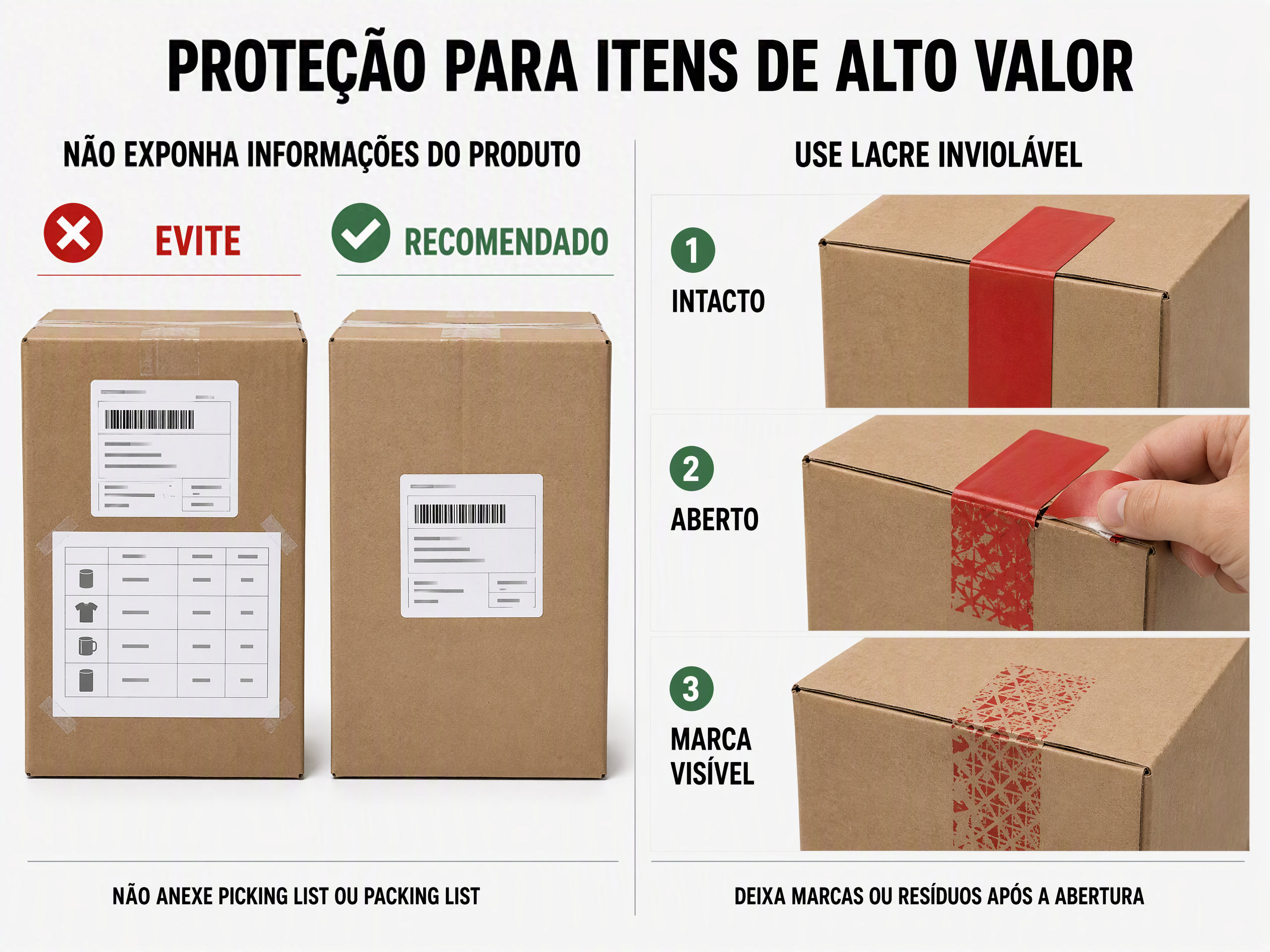
Tamper-evident packaging is strongly recommended for high-value items, to reduce the risk of theft or tampering and to support any compensation claim.
- Do not indicate that the package contains high-value item(s).
- Do not print shipping labels with product information.
- Conceal brands or logos.
- Use packaging materials that leave marks or residue when opened.
- Tamper-evident sticker or seal.
Do Not Print Shipping Labels with Product Information
Only the shipping label should be attached to the package. Do not attach a picking list or packing list to the outside of the package.
Reminders
Sellers must pack products carefully to minimize the risk of damage in transit: | Check the carrier's latest terms, conditions and policies to confirm whether the product can be shipped. Only ship products permitted by the carrier and by applicable laws and regulations. Dangerous goods such as drugs, harmful chemicals, pesticides and radioactive substances are not allowed. See the list of prohibited items for details. Do not include any product not purchased by the customer in a package shipped to them. Do not send any irrelevant papers or information to customers, including but not limited to information that guides customers to leave positive reviews, guides users to take part in fraudulent order brushing schemes, guides them to reject orders, or encourages other inappropriate behavior. Do not attach any unauthorized promotional or marketing materials, such as flyers, display materials, price tags and/or other irrelevant stickers, to the outside of the package. If the carrier has special packaging requirements for liquids, sharp objects, fragile items, perishable goods, textiles, hazardous materials, batteries, etc., sellers must follow the carrier's special packaging requirements. Notify the carrier of any item requiring special handling before shipping. |
When using cardboard boxes, sellers must meet the following requirements: | Cardboard boxes and packaging materials (e.g., filler) must adequately protect the item in transit. Using unacceptable packaging materials may result in rejection of the order or payment. Choose a box size that leaves minimal empty space once the item is placed inside, and maximize space usage by packing as many units as possible in a single box (without damaging the items). Use large fillers such as air cushions, foam sheets or bubble wrap, and do not use any loose fill such as foam peanuts or shredded paper. Cardboard boxes must not be bundled with bags, rubber bands, tape or additional straps. Avoid using large staples or nylon tape, as they may injure carrier staff. |
When packing the package, sellers must observe the following: | Fill any empty space in the packaging. Ensure no sharp objects protrude from the packaging. Ensure packaging materials are clean, dry and sturdy. Avoid cloth-like materials for wrapping the package. Materials such as newspaper may be used to fill empty spaces (an economical option). |
Ensure the package is properly packed and sealed before it is collected by the courier. | |
To keep items safe, take extra precautions before pickup: record videos and take photos of the package showing proper packaging and its condition, to keep as evidence in case anything goes wrong. | |
Please note that no compensation is provided for any damage to food or liquids (items restricted by the carrier). | |